
Writing science fiction often means confronting questions that, when pursued far enough, end up looking remarkably like problems in theoretical physics. And sometimes it even forces one to search for solutions credible enough not to make the entire narrative edifice collapse the moment it meets a reader with a passing familiarity with relativity.

Scrivere fantascienza porta spesso a porsi domande che, a forza di inseguirle, finiscono per assomigliare sorprendentemente a problemi di fisica teorica. E talvolta costringe persino a cercare soluzioni abbastanza credibili da non far crollare l’intero castello narrativo al primo lettore con una vaga infarinatura di relatività.
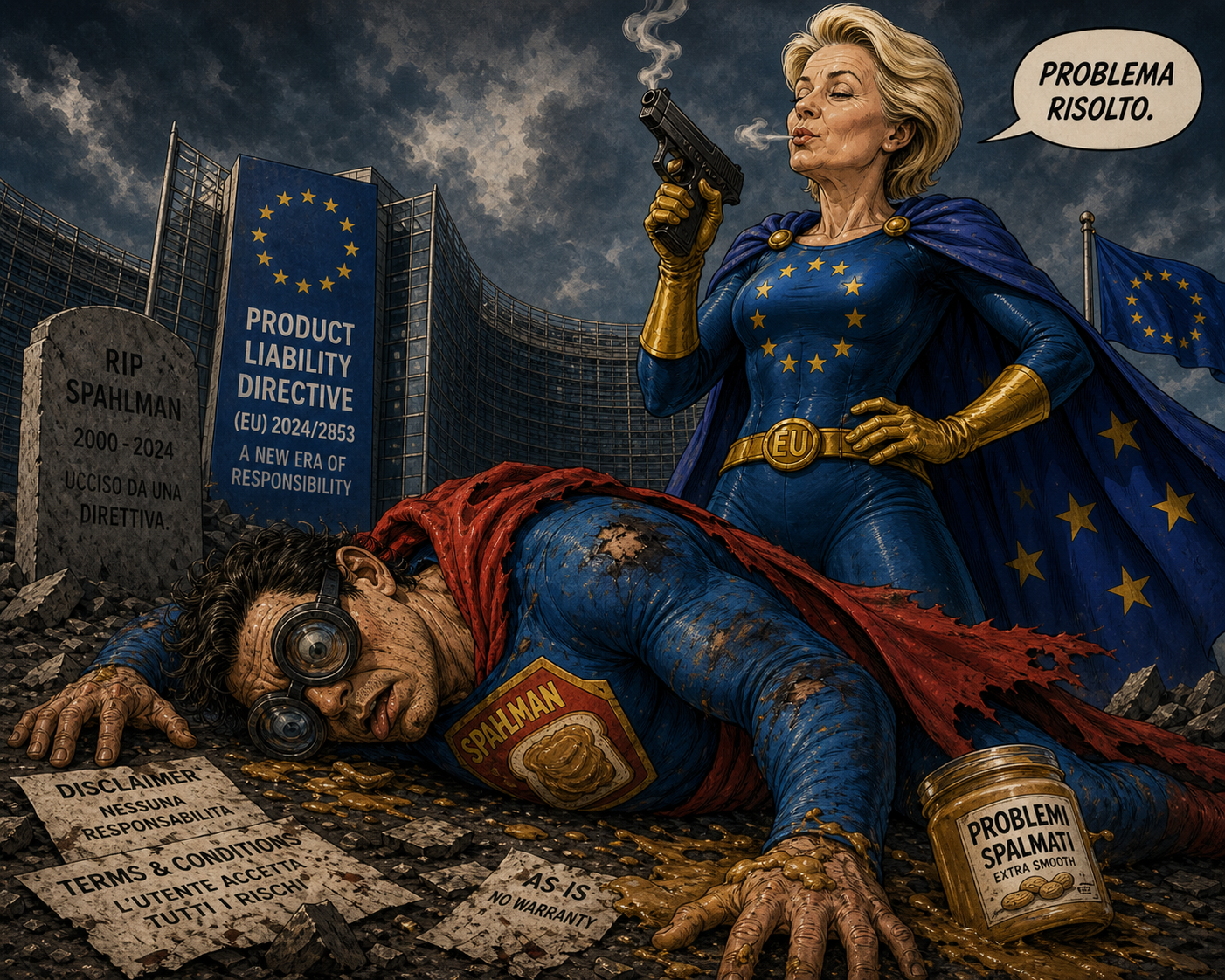
One of the things I have been noticing with increasing clarity over the past few years, every time “digital security” comes up, is that a growing part of the problem is not actually being solved by companies at all: it is simply being redistributed onto end users.
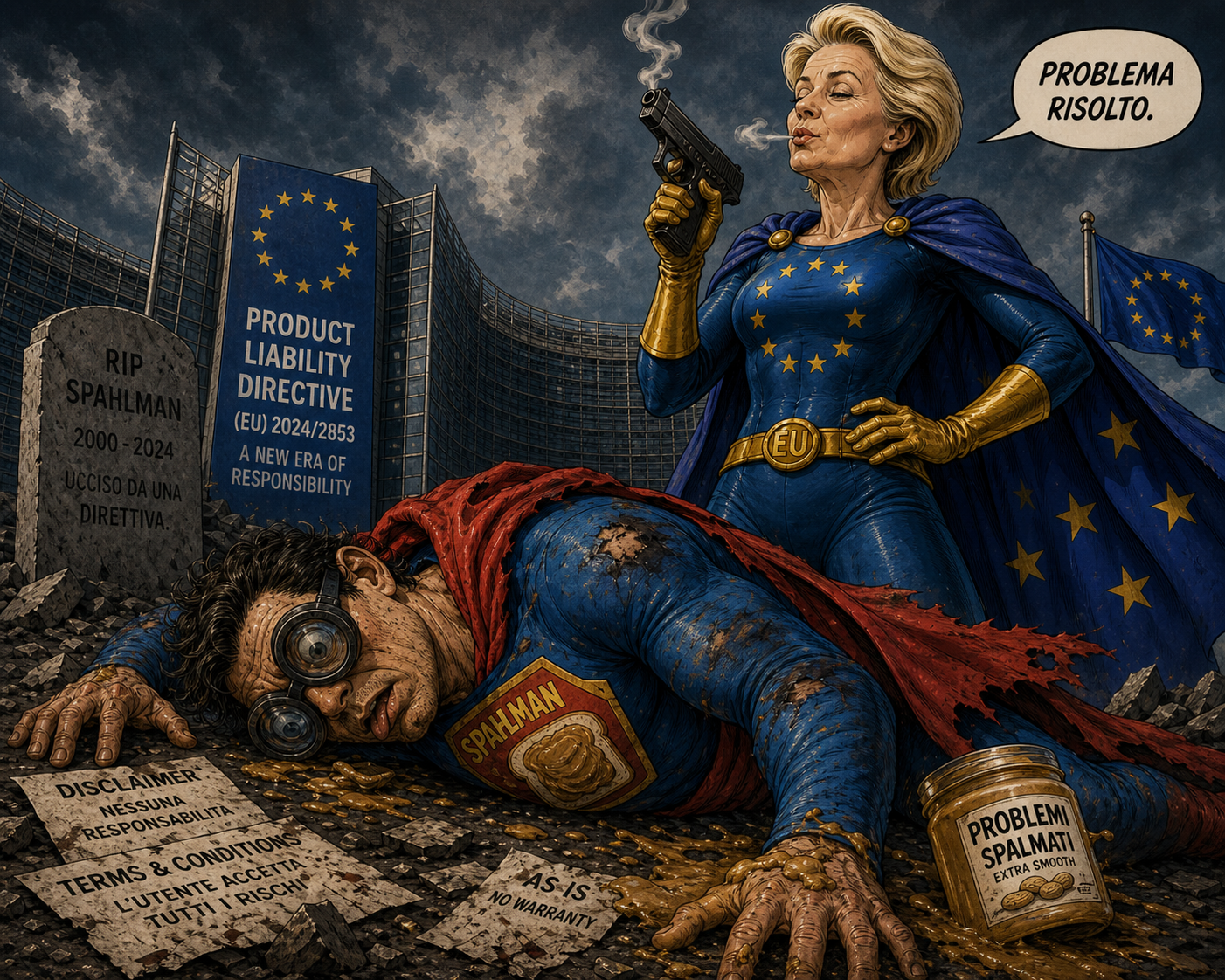
Una delle cose che sto notando sempre più chiaramente negli ultimi anni, ogni volta che si parla di “sicurezza digitale”, è che una parte crescente del problema non viene realmente risolta dalle aziende: viene semplicemente redistribuita sugli utenti finali.

Google’s decision to impose a KYC framework on developers is making a certain impression online. In practical terms, this means that Google is progressively requiring that anyone distributing Android apps — not only on the Google Play Store, but increasingly outside it as well — must be verifiably identified, with a legal name, address, real contact details, and in many cases official documents or corporate data.

Sta facendo una certa impressione, in rete, la decisione di Google di imporre una disciplina di KYC agli sviluppatori. In termini pratici, questo significa che Google sta progressivamente richiedendo che chi distribuisce app per Android — non solo sul Google Play Store, ma sempre più anche fuori da esso — debba essere identificato in maniera verificabile, con nome legale, indirizzo, contatti reali, e in molti casi documenti ufficiali o dati aziendali.

On April 25th — Italy’s Liberation Day, commemorating the end of Fascism and Nazi occupation — the usual clash surrounding the so-called Jewish…

Il 25 aprile, con il consueto scontro attorno alla cosiddetta Brigata Ebraica — che poi, nei fatti, era una formazione inquadrata sotto comando britannico, o comunque alleato, ma fermiamoci qui: anche questo continuo rebranding fa parte del problema — viene spesso raccontato come se fosse il riflesso di una polemica nata di recente. Come se le tensioni che emergono ogni anno fossero semplicemente il prodotto dell’attualità politica, o al massimo una conseguenza degli eventi più recenti del Medio Oriente.
Today, purely by chance, I noticed that mastodon.social has blocked me. It’s quite interesting, because after looking around online I found, essentially, the supposed “reasons” for this action, and honestly I’ve been laughing about it all morning, precisely because the whole thing borders on the grotesque.
Oggi, per puro caso, ho notato come mastodon.social mi abbia bloccato. È molto interessante, perché cercando in rete ho trovato, in pratica, le presunte “motivazioni” di questa azione, e onestamente ci sto ridendo sopra da stamattina, proprio perché la cosa sfiora il grottesco.
