Epstenio Filonio Italianio
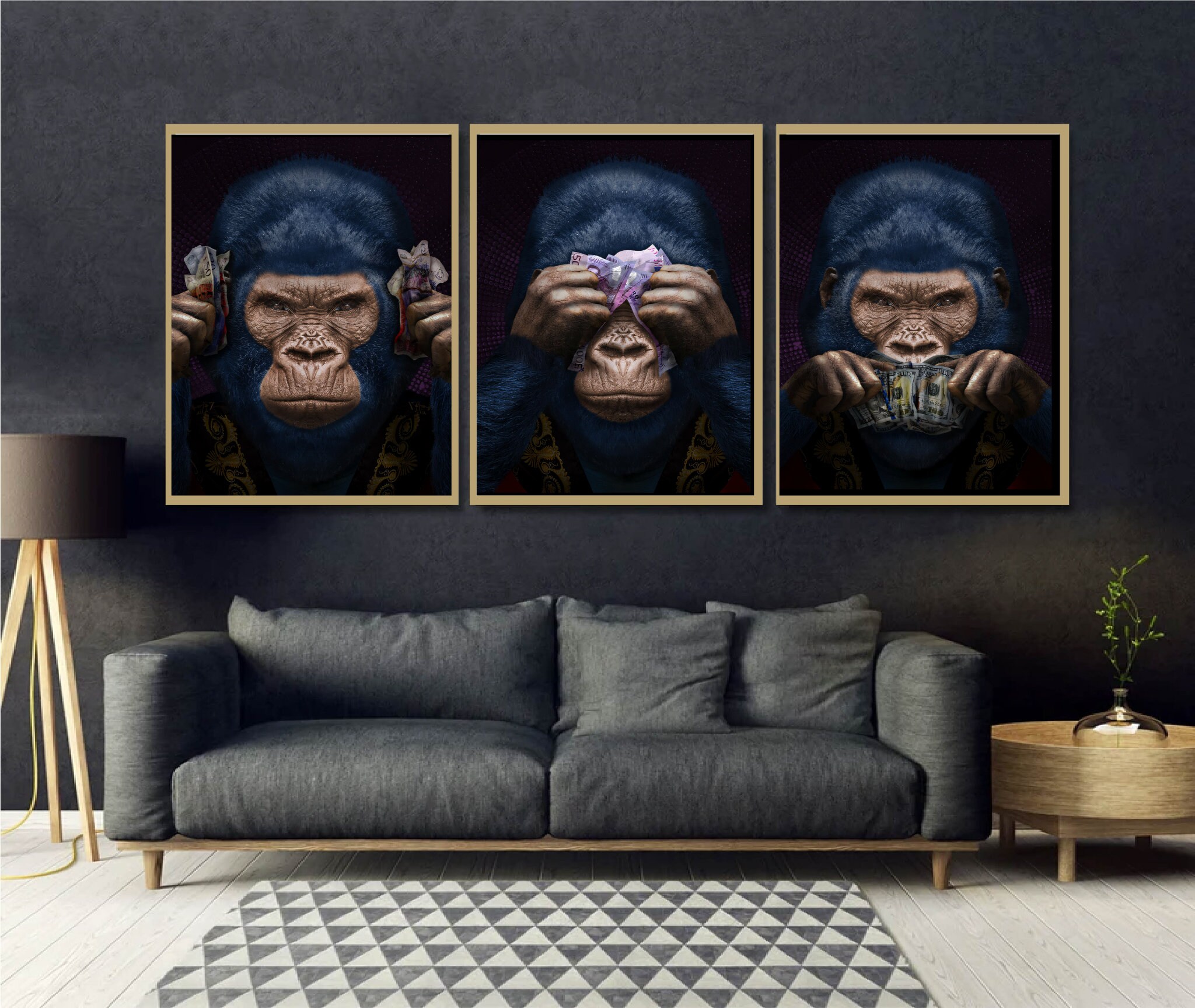
When people say Italy never misses out on anything, they rarely grasp just how far that can stretch. Here's the proof: Italy faces its own Epstein-style scandal. But it's worse, because the silence from the press is total—and some suspect that key figures at the top of print media are entangled in a pedophile network.
It all starts with an investigation by the Rome Public Prosecutor's Office. Around mid-March 2026, they uncover that a couple—a man and a woman—is involved in a serious child exploitation ring. The news leaks to crime pages, as usual. But unlike typical Italian scandals, the story and its details suddenly disappear from the press.
Even journalists who boast about challenging the powerful—Dagospia, or more controversial ones like Corona—refuse to name names or give details.
The problem worsens when you look at what little is known. The man is a prominent 52-year-old journalist who runs news operations. He managed major TV networks and publicly traded companies, with a high-profile career that usually gets glowing coverage.
The woman is a 48-year-old schoolteacher, trusted with children's education. Now she's exposed in the same dark trade, her respectable image in ruins. Except, she is NOT exposed at all.
What puzzles everyone isn't the existence of these criminal rings, or even powerful people being involved. The real shock is something impossible in Italy: no one can identify these two. Normally, scandal details flood out like sewage. Yet newspapers stay silent, like monks under a vow.
To clarify: if America had this silence, you'd never know Epstein's name. Prince Andrew would still be a full prince.
This is so incredible that not only is the story ignored—the silence itself goes unreported. That silence is the real news. Foreigners need context on Italy's media mess to understand.
Italy has a huge public TV sector called RAI—think three BBCs rolled into one. It's set up as a commercial company to meet EU rules, but its board is appointed by Italy's parliament, specifically the party in power.
The other big player is Mediaset with three more major channels, often bigger in audience. It's owned by Silvio Berlusconi's family. He started it; though he's dead, his party sits in the government, and his children (like CEO Marina Berlusconi) control it, plus Mondadori publishing.
A top journalist accused in a pedophile ring hurts both. If he's from RAI, it's political poison—his career came from a party's quota, as all RAI jobs do.
If from private TV, it's still political: Berlusconi's party is in the majority. It damages their image badly and fuels rivalry with RAI. (Their party even helps pick RAI's board.)
Not all newspapers or TV outlets follow RAI or the Berlusconi family. Take LA7: they claim independent, high-quality journalism free from power. Yet even they—who could identify him from age, past roles, and his wife's job—refuse to name this pedophile. The silence is total and strange.
Who controls all Italian journalism horizontally? From giants to rivals and gossips like Corona? Insiders would spot this Roman heavyweight easily.
What massive entity can order—and enforce—such widespread silence?
The first suspect is the Order of Journalists, Italy's peculiar invention from 1928. Mussolini, that tireless tamperer with thoughts, decreed Law No. 1566 on March 17. He created a mandatory guild to rein in every bold scribbler writing for the public. Nearly every other nation leaves journalism open to any ink-stained grouch with a pen. Italy alone—Spain under Franco did something similar—built this watchdog to license reporters. It pretended to raise standards. In reality, it silenced opposition under the blackshirts. Today it watches with a loose hold instead of a stranglehold. It claims loyalty to ethics only. Still, it can fine, sanction, or expel violators. Such penalties gut a journalist's career far worse than hurt feelings. They lack the brutal force of Mussolini's era. Publish outright lies, and the Order judges: true reporting or fool's errand.
This creature spans all media. It coils through every faction. Yet its punishments stay mild. Picture a clerk's sniffle. If the suspect's name emerged in an official probe, the Order would lack weapons. I lean hard toward dismissing them from this silence plot.
The second batch of suspects points straight to the politicians. If this name embarrasses every faction equally—leaping party lines like some pestilent rodent—orders would fly from on high and low alike: button it. Simple logic demands it.
Yet holes yawn wide. Why do foreign outlets, normally starved for Italian dirt, play coy? And where are the pro-Russian rags? They itch to flay Italy's "free press." Putin and Zakharova nurse grudges against the place sharp enough to slice steel. This defies nature.
The government holds real power to bury the prosecutor's files in secrecy. Don't dismiss it lightly. Rogue outlets exist, though. Mavericks who defy authority and publish regardless, like Corona. Silencing every last one takes more than strength—it demands near-divine control. I can't explain that. Even so, if political parties can cow the press into total submission, genuine fear creeps through the republic's worn-out foundations.
The third suspect hides in the business world, that elite circle where fortunes rise and fall like empires at dusk. This man is no mere reporter scribbling for the public's itch. He held top posts in major Italian firms, walking halls where regular journalists fear to step. A scandal this size would echo beyond newsrooms into boardrooms. It would crack reputations and spark corporate ruin. Shares in his firm would plunge overnight. Investors would flee like rats from a sinking ship.
Business controls the press through ad money. One quiet order from above—pull ads from a paper or its network—drains it dry. No cash means no life. Trade groups boost this power. They gather like modern bosses and decide what gets printed or buried. Their hidden veto strangles the fourth estate.
Still, not every outlet bows. Independents and startups endure. Digital players skip custom ad deals. They rely on giants like Google. Those neutral algorithms hand out ads without bias. Rebels can defy threats, publish freely, and prosper.
These three entities rank as prime suspects capable of muzzling the press outright. Exceptions riddle their power, true. Still, their raw heft bends the rest to heel. Picture a secret pact among them all. It fits this unnatural silence, vast and thunderous in its emptiness across the nation's media. But I have no evidence of that pact.
Then comes the underworld. This hidden realm stays out of sight. It rules without public votes. In Italy, it boils down to three old forces.
the Church, the Freemasonry, and the Mafia.
Everyone knows the Mafia: their brutal trades, their endless reach. No need for a lecture on organized crime basics.
Yet one detail escapes most onlookers. If they pulled these strings, we'd mean the big bosses. The elite tier that can black out the whole nation. Odd to outsiders, but these criminals hold a fierce code on sex alone.
They've melted kids in acid without a blink. Think of 11-year-old Giuseppe Di Matteo in 1990s Palermo. They dissolved him in a barrel to shut up his father. Whispers tell of other young witnesses in Sicily's wars. But touch a child that way? Disaster follows.
They'd silence the press, no doubt. If this man belonged to them, though, he'd be dead already. Not sleeping peacefully, but chopped and scattered. Kill children, melt them down? Fine. Violate them? That breaks their bloody taboo. Don't ask me to explain it, it makes no sense. I know. Yet, this is the point.
For this, I rule out the Mafia.
Italian Freemasonry weaves a tangled web, but it splits into two main streams: the GOI, or Grande Oriente d’Italia, and the ALAM, known as the Autonomist Lodge of Active Lodges or Associazione Libera Associazione Muratoria. Various lodges fall under them. Palazzo Vitelleschi stands out in the ALAM camp. It carries a strain of deep mystical rightism that has crept into northern Italy's courts and police. The GOI dominates Rome's judicial world. The ALAM circles it with crusader zeal.
Would they protect a pedophile? Tradition says no. They shun deviant sex. Over recent decades, though, ties grew with the so-called Nuova Thule. That odd mix of Masonic lodge, Wagnerian cult, and pervert gathering.
Several groups bear the name in Italy and Switzerland. Not sure to which one they bound.
Contacts deepened. Nuova Thule's high degrees match those of the old guard, degrees are made portable now. Their rituals turn pornographic. Initiation and promotion rites lead the way.
Word has it , this lets Nuova Thule serve as a pleasure den for the big players. Suspicions rise here. The man in question might link to Freemasonry and its exotic vices.
I lack proof to call it fact. Logic alone keeps it on the table.
The last suspect is the Catholic Church. In Italy, they hold massive power, more than any republic needs. They could easily apply pressure until everyone falls silent. The question remains: what connects them to journalists, dirty money, and pedophile rings—and why demand silence on pedophilia?
....ssseriously, is this a question?
No need to belabor the Church's ties to shady finance or pedophilia scandals; anyone can find them with a quick search. Like Freemasonry, I have no solid proof they orchestrated this silence. Logic alone keeps them as suspects.
I cannot pinpoint the exact machinery behind this silence. Its masterminds lurk in shadow. One fact stands rock-solid, though: in Italy, no Epstein scandal would ever surface. You'd stay blissfully blind to its existence.
The quiet roars like thunder.
Loud and impossible to ignore.
Or not.